Understanding South Carolina Storm Damage to Roofs
South Carolina's diverse climate makes roofs susceptible to various forms of storm damage. Understanding the common types of damage, such as hail impacts, wind uplift, and water intrusion, is crucial for homeowners to accurately assess their situation and initiate the insurance claim process effectively.
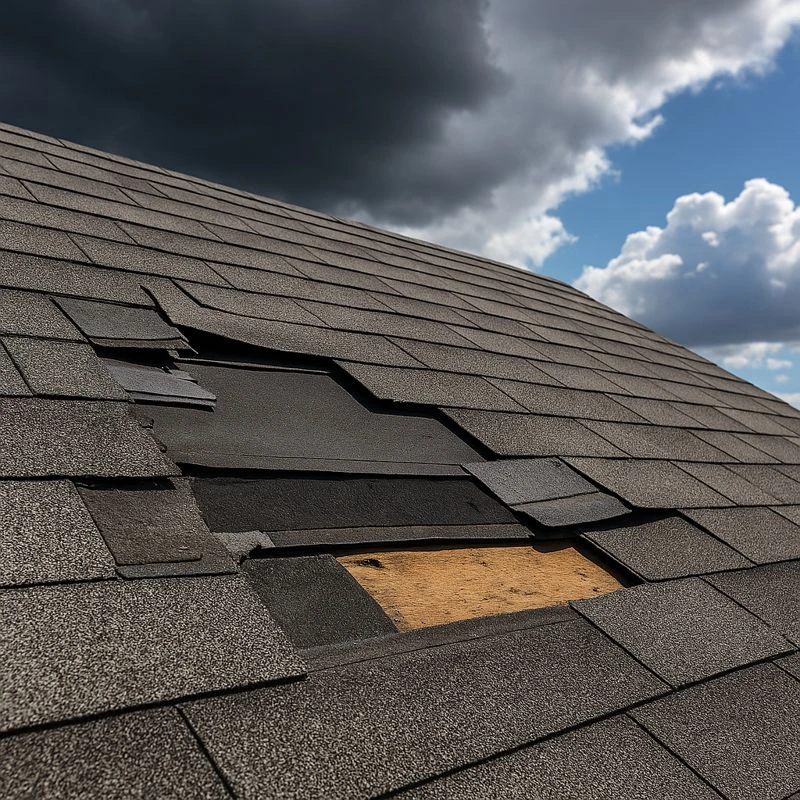
Hail can cause circular dents and cracks, while high winds can lift shingles, tear them off, or even dislodge entire sections of the roof. Heavy rain, especially when combined with wind, can lead to water seeping under shingles and into the attic, causing further structural damage and potential mold growth.
What to Do Immediately After Storm Damage to Your Roof
The immediate aftermath of a storm requires prompt action to mitigate further damage and preserve your insurance claim. Documenting the damage with clear photographs and videos, securing your property if safe to do so, and contacting your insurance company are critical first steps.
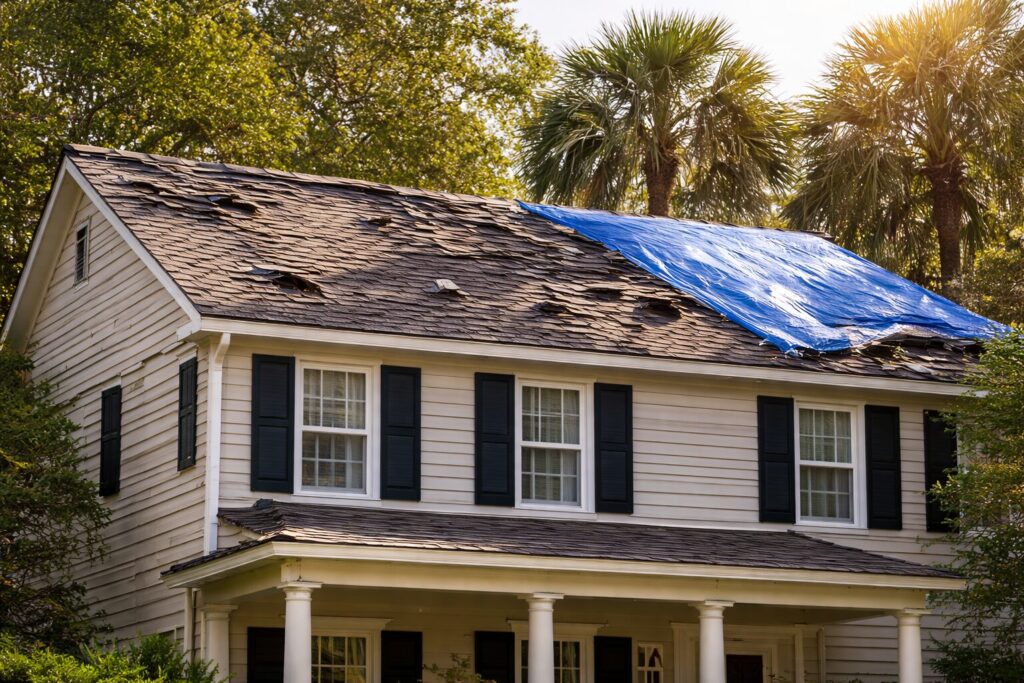
Taking steps like covering damaged areas with tarps can prevent water from entering your home, which is vital for minimizing interior damage and demonstrating due diligence to your insurance adjuster. This proactive approach can significantly impact the outcome of your claim.
Choosing a Reputable Roofer for Storm Damage Repairs
Selecting the right roofing contractor is paramount when dealing with storm-damaged roofs. Look for companies with a proven track record in storm restoration, proper licensing and insurance, and positive customer reviews. A skilled roofer will not only perform quality repairs but also assist you in navigating the insurance claim process.
Ensure the roofer provides a detailed estimate that aligns with your insurance company's assessment. They should also be experienced in working with insurance adjusters and understanding the specific requirements for storm damage repairs in South Carolina, ensuring compliance with local building codes.
Navigating Insurance Adjuster Inspections for Roof Claims
Understanding the role of the insurance adjuster and preparing for their inspection can greatly improve your chances of a successful claim. Be present during the inspection if possible, and have your documentation ready, including photos, videos, and any initial estimates.
Clearly communicate the extent of the damage you've observed and point out specific areas of concern. A knowledgeable roofer can often accompany you or the adjuster to provide expert insight, ensuring all damage is identified and properly accounted for in the insurance assessment.