Understanding Roof Insurance Policies
To effectively navigate the roof insurance claim process, homeowners must first understand the specifics of their insurance policies. Different policies may cover various types of storm damage, and knowing what is included can significantly impact the claims process.
For instance, some insurance policies may cover wind and hail damage, while others might exclude certain types of damage or have specific deductibles. Homeowners should review their policy documents carefully and consult with their insurance agent to clarify any doubts before filing a claim.
Documenting Storm Damage
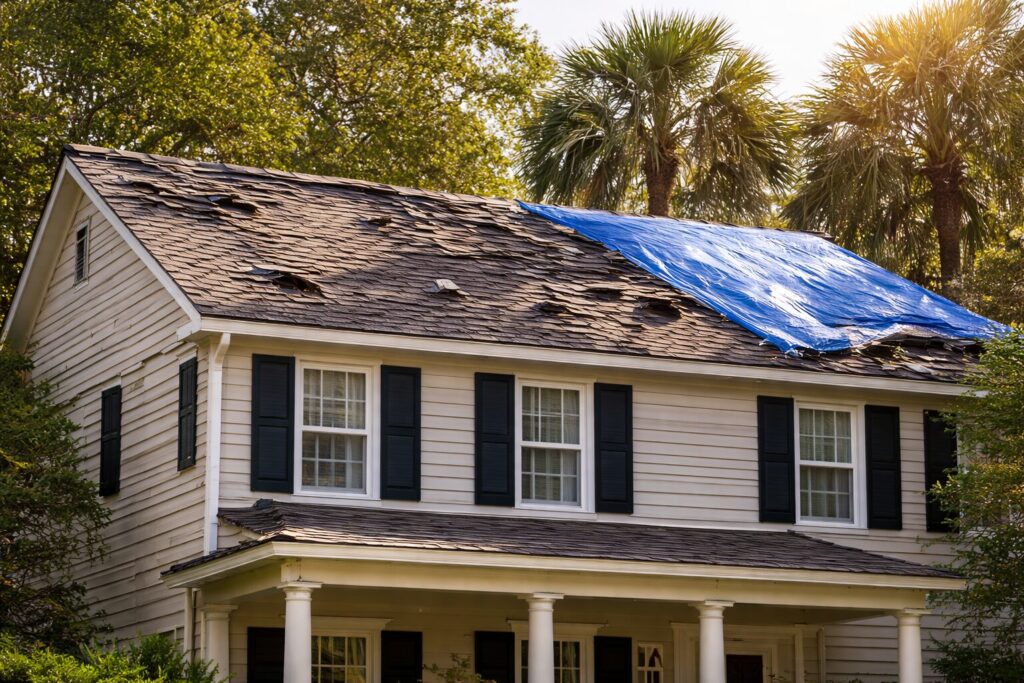
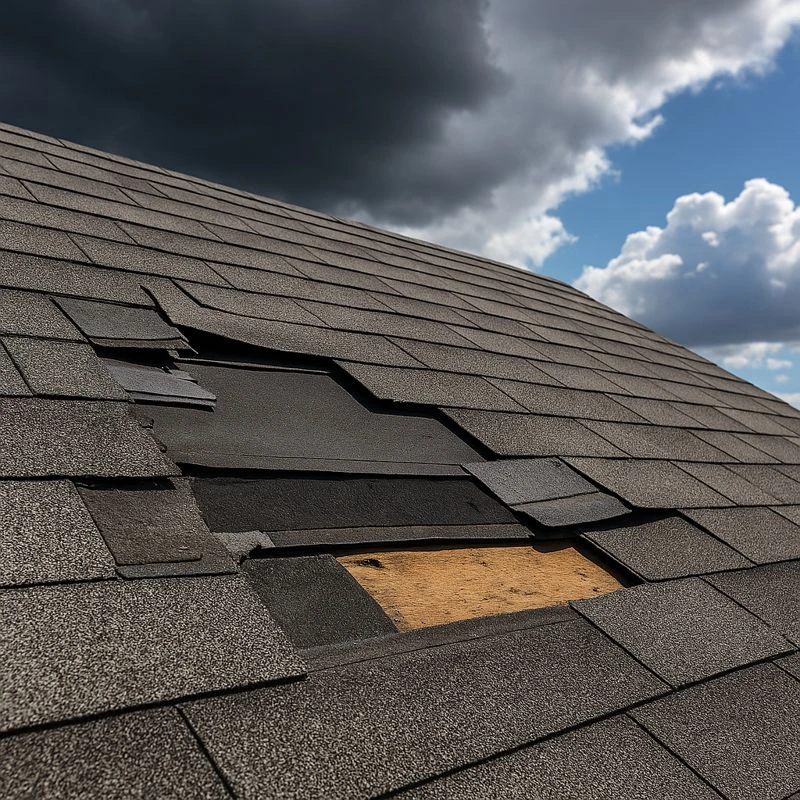
Proper documentation is crucial when filing a roof insurance claim after a storm. Homeowners should take detailed photographs of the damage and keep records of any repairs or temporary fixes made to prevent further issues.
In addition to photos, homeowners should document the date of the storm, the extent of the damage, and any communications with contractors or insurance representatives. This comprehensive documentation will support the claim and help ensure a smoother process when working with insurance adjusters.
Working with Insurance Adjusters
Once a claim is filed, homeowners will typically be assigned an insurance adjuster who will assess the damage. It's essential to understand how to effectively communicate with the adjuster to ensure all aspects of the damage are considered during the evaluation.
Homeowners should be prepared to provide the adjuster with all necessary documentation and be open to discussing the details of the damage. Establishing a good rapport can help facilitate a fair assessment and expedite the claims process.
Choosing the Right Roofing Contractor
After receiving approval for a claim, homeowners need to select a reliable roofing contractor to perform the repairs. It's vital to choose a contractor with a proven track record in storm damage repairs and familiarity with the insurance claims process.
Homeowners should seek recommendations, check online reviews, and verify the contractor's licensing and insurance. A reputable contractor will not only provide quality workmanship but also assist in navigating any further interactions with the insurance company.