Understanding the Roof Insurance Claims Process
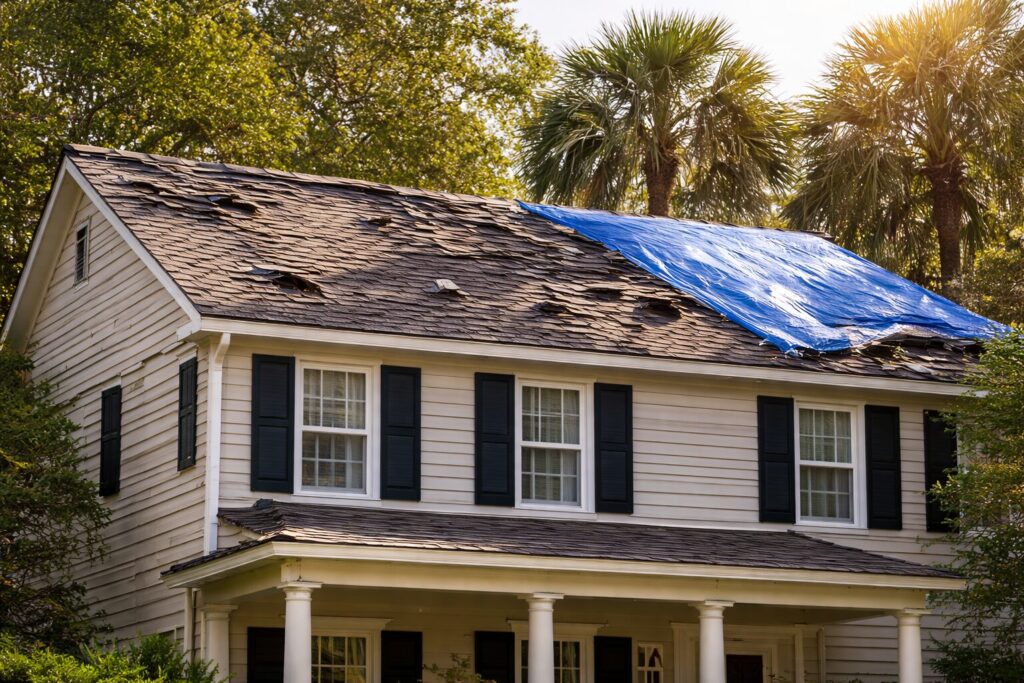
The roof insurance claims process can be daunting for many homeowners, especially after experiencing storm damage. It's crucial to understand each step, from assessing the damage to submitting the claim, to ensure a smooth experience and maximize your coverage.
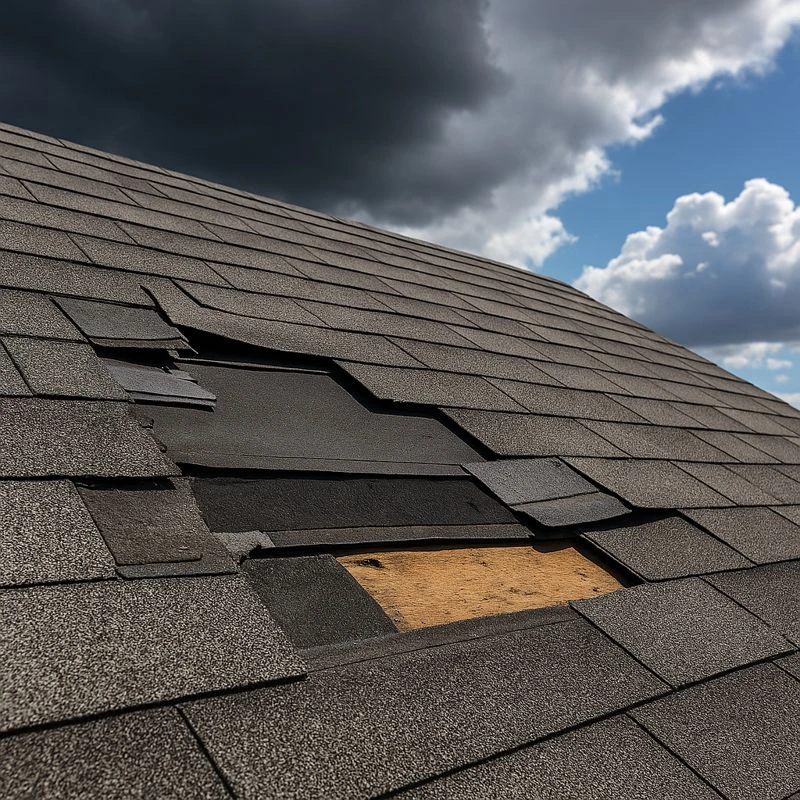
Typically, the process begins with a thorough inspection of your roof by a qualified contractor, followed by documentation of the damage. Homeowners must then file a claim with their insurance company, providing all necessary evidence, such as photos and repair estimates, to support their case.
Common Mistakes to Avoid When Filing a Roof Insurance Claim
Filing a roof insurance claim can lead to delays or denials if common mistakes are made. Homeowners should be aware of these pitfalls to better navigate the claims process and ensure their claims are successful.
One common mistake is not documenting the damage thoroughly. Homeowners should take clear photos and keep detailed records of all communications with their insurance adjuster. Additionally, failing to understand the terms of their policy can lead to underestimating coverage needs, resulting in unexpected out-of-pocket expenses.
Tips for Maximizing Your Roof Insurance Claim
Maximizing your roof insurance claim is essential to ensure you receive the full benefits entitled to you. By knowing your rights and preparing adequately, you can enhance your chances of a favorable outcome.
Consider hiring a public adjuster who can represent your interests and negotiate with the insurance company on your behalf. Additionally, gathering multiple repair estimates can provide leverage in discussions with your insurer, helping to substantiate the total cost of repairs needed.
Post-Claim Steps: What to Do After Your Claim is Approved
Once your roof insurance claim is approved, there are important steps to take to ensure the repair process goes smoothly. Understanding these steps can help homeowners manage their expectations and prepare for the upcoming work.
After approval, schedule a meeting with your contractor to discuss the timeline and scope of the repairs. It's also a good idea to stay in communication with your insurance company to confirm payment schedules and any additional documentation they may require before finalizing the claim.