This article covers what builders and custom home clients need to know about new construction roofing in South Carolina, from material selection and ventilation requirements to warranty structures and code compliance. Whether you are working on a subdivision in Columbia or a custom home in Greenville, getting the roof right from day one saves everyone a headache down the line.
South Carolina throws a lot at a new roof before the first owner ever moves in. Builders who treat roofing as an afterthought tend to end up with callbacks, warranty disputes, and unhappy homeowners before the punch list is even closed out.
Table of Contents
Why New Construction Roofing in South Carolina Requires Early Planning
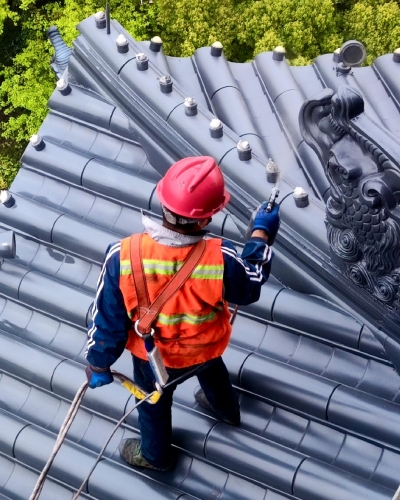
Most roofing decisions on a new build get made early in the project timeline, sometimes before the walls are framed. That is when material choices, ventilation planning, and warranty terms need to be locked in. Waiting until the project is framed out leaves almost no room to adjust.
South Carolina’s climate is unforgiving. Coastal areas near Charleston deal with salt air, high humidity, and the threat of tropical storms. Inland areas like Columbia and Spartanburg face intense summer heat, afternoon thunderstorms, and occasional ice events in winter. A roof system that holds up in one part of the state can fall apart in another if the material is not matched to the local exposure.
For builders working across multiple markets, partnering with a residential roofing contractor who understands those regional differences is worth more than any discount on materials.
Best Roofing Materials for New Construction Roofing in SC
Architectural Shingles
Architectural shingles are the most common choice for new construction roofing in South Carolina. They are cost-effective, widely available, and carry manufacturer warranties that range from 30 years to lifetime coverage depending on the product line. For most residential new builds, an architectural shingle with a Class 4 impact resistance rating is the right starting point.
In coastal zones, look for shingles rated for high wind uplift. The International Residential Code as adopted in South Carolina requires specific fastening schedules in wind zones. Skipping that step during installation creates both a warranty void and a code violation.
Metal Roofing for Custom Homes
For custom homes and higher-end builds, standing seam metal has become a solid option across South Carolina. Metal handles heat load better than asphalt, reflects UV rather than absorbing it, and carries 40 to 50-year warranties in most cases. It also holds up well against the wind speeds that coastal SC can see during storm season.
The upfront cost is higher, but for a custom home client who plans to stay long-term, the total cost of ownership usually favors metal.
Flat and Low-Slope Systems for Commercial Projects
For commercial new construction, TPO and modified bitumen remain standard. Consumer First Roofing handles commercial roofing on new builds alongside residential projects, which simplifies coordination for developers running mixed-use projects or retail strip construction.
South Carolina Code Requirements for New Construction Roofing
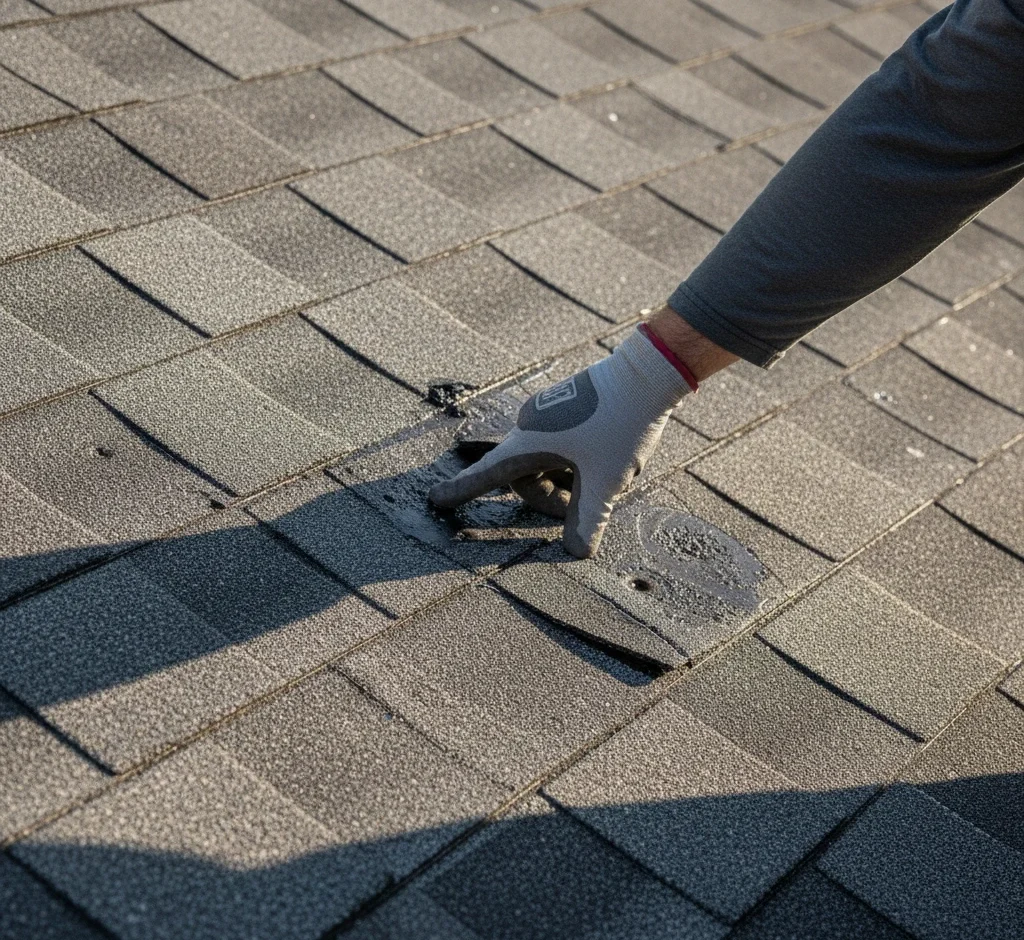
New construction roofing in South Carolina falls under the International Building Code and International Residential Code with state-level amendments. The South Carolina building codes for roofing cover underlayment type, fastener patterns, ice and water shield placement, and ventilation ratios.
Here is a breakdown of the key requirements on a new build:
| Code Requirement | Standard |
|---|---|
| Minimum underlayment | ASTM D226 Type I or synthetic equivalent |
| Ice and water shield | Required at eaves and valleys per SC amendments |
| Ventilation ratio | 1:150 net free area or 1:300 with balanced intake and exhaust |
| Wind speed design | Varies by county; coastal zones require higher-rated fastening |
| Drip edge | Required at eaves and rakes on all new construction |
Getting these details right during installation avoids failed inspections, delays in certificate of occupancy, and warranty disputes further down the road.
Roof Warranty Options for New Construction Roofing in South Carolina
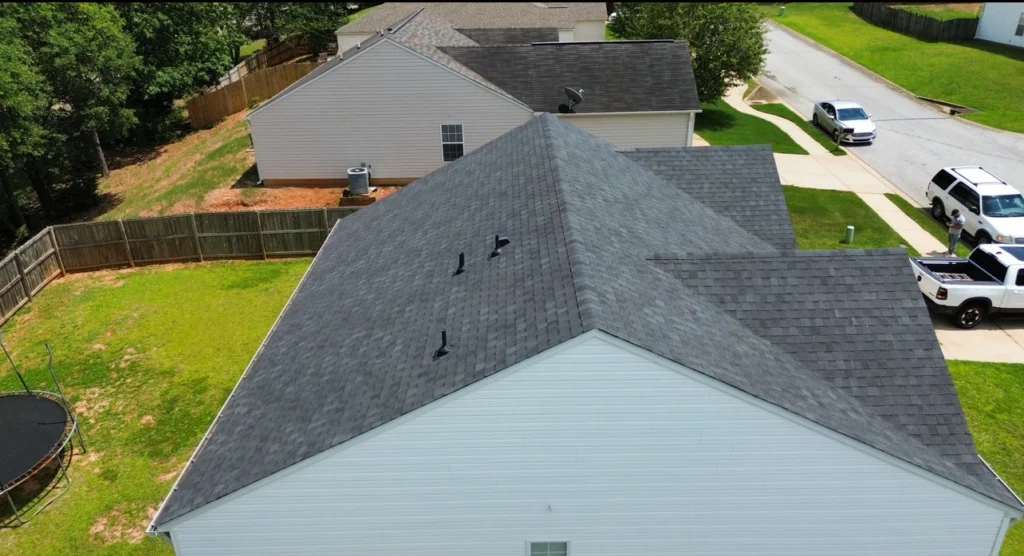
Warranty terms on a new build roof work differently than a re-roof. Most manufacturer warranties for new construction roofing in South Carolina require a registered contractor installation, proper ventilation compliance, and documentation of the install date tied to the permit.
There are three layers of protection worth understanding on any new build:
- Manufacturer product warranty: Covers defects in the material itself, typically 30 years to lifetime on architectural shingles
- Workmanship warranty: Issued by the roofing contractor, usually 5 to 10 years on labor for new construction
- Builder warranty: Under the South Carolina New Residential Construction Warranty Act, builders carry responsibility for roof system defects for a set coverage period after closing
For subdivision builders doing volume work, locking in a consistent warranty package with a single roofing partner reduces paperwork and creates a cleaner process for homeowner handoffs.
Ventilation: Where New Construction Roofing Jobs Go Wrong
Poor attic ventilation is one of the most common causes of early roof failure on new builds in South Carolina. The heat that builds up in a South Carolina attic during July and August is significant. Without proper ridge and soffit ventilation, shingles bake from underneath, adhesive strips fail, and warranty coverage becomes a conversation nobody wants to have.
The fix is not complicated or expensive. It is a calculation during design and a discipline during framing. Builders who standardize their ventilation specs across floor plans rarely deal with this issue. Those who leave it to whoever happens to be on site that week tend to see callbacks within three to five years.
According to industry reporting from Roofing Contractor magazine, material quality and installation practices are under increasing scrutiny as warranty claim rates rise across the Southeast. New construction roofing in South Carolina is no exception to that trend.
Frequently Asked Questions
What is the best material for new construction roofing in South Carolina?
For most new builds, architectural shingles with a Class 4 impact rating and high wind certification are the practical choice. Custom homes often benefit from standing seam metal for its durability and long warranty. The right answer depends on budget, location in the state, and how long the homeowner plans to stay.
Does new construction roofing in South Carolina require a permit?
Yes. Every new roof installation on a new build requires a permit and inspection under South Carolina building codes. Your roofing contractor should pull the permit and coordinate the inspection as part of the scope.
How does the roof warranty work on a new build in SC?
New construction roofing in South Carolina typically carries a manufacturer material warranty, a contractor workmanship warranty, and coverage under the South Carolina New Residential Construction Warranty Act. Review all three before closing so the homeowner understands exactly what is covered and for how long.
Can one contractor handle both residential and commercial new construction roofing?
Yes. Consumer First Roofing handles both residential and commercial new construction roofing in South Carolina, which keeps coordination straightforward for developers with mixed-use or multi-structure projects.
What ventilation code requirements apply to new construction roofing in South Carolina?
South Carolina follows IRC standards requiring a net free ventilation area of 1:150, or 1:300 when balanced between low intake and high exhaust. These ratios must be met on every new build to stay code-compliant and keep manufacturer warranties valid.