Understanding Wind Damage: Causes and Effects
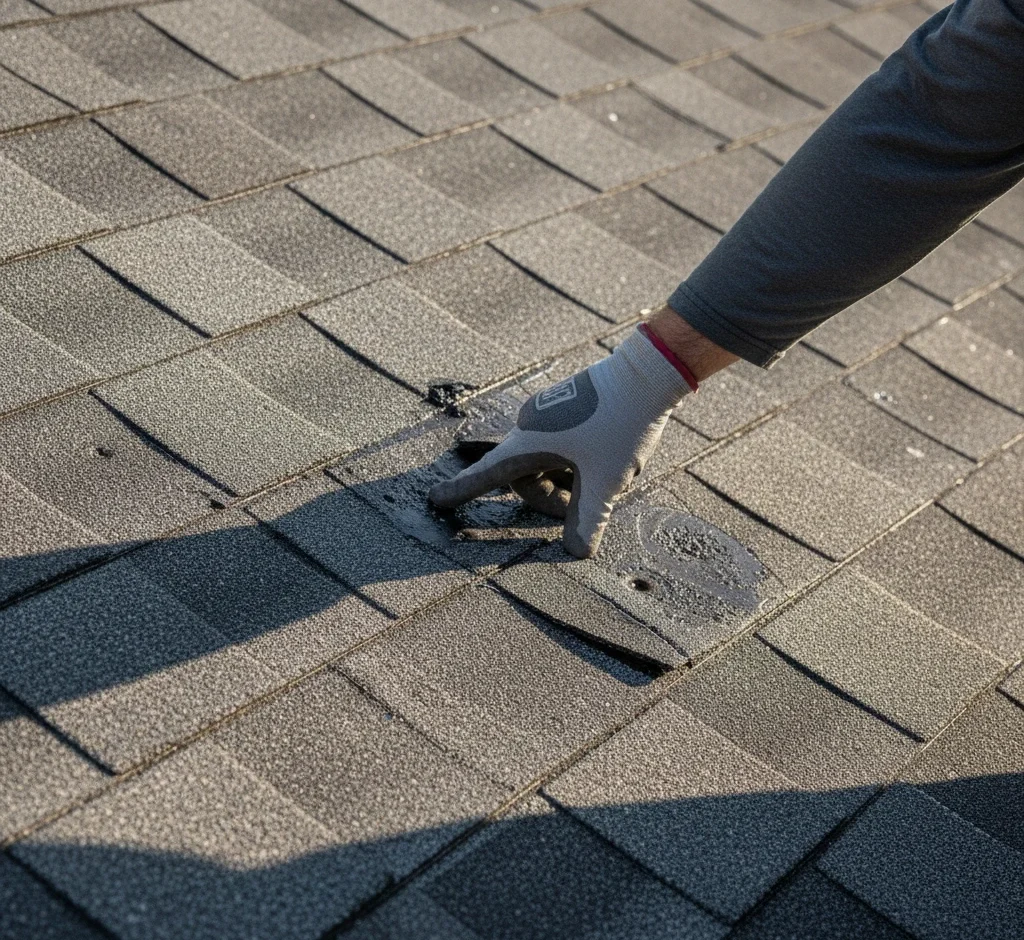
Wind damage can significantly impact the integrity of your roof, leading to leaks and structural issues. Understanding the causes of wind damage is crucial for homeowners, as high winds can lift shingles, create gaps, or even tear entire sections of the roof off.
For instance, during severe storms, winds exceeding 50 mph can displace roofing materials, making roofs more vulnerable to water intrusion. Homeowners should regularly inspect their roofs, especially after storms, to identify any potential damage early and mitigate further issues.
Steps to File an Insurance Claim for Roof Damage
Filing an insurance claim for roof damage can be a daunting process, but understanding the steps involved can simplify it significantly. Begin by documenting the damage with photographs and detailed notes, as this evidence will be crucial when submitting your claim.
Once you have gathered the necessary documentation, contact your insurance provider to initiate the claim process. Be prepared to provide information about the storm and the extent of the damage, as insurers often require specific details to process claims efficiently.
Choosing the Right Roofing Materials for Storm Resistance
Selecting appropriate roofing materials is essential for enhancing your home's resilience against wind damage. Materials such as impact-resistant shingles, metal roofing, and tiles can withstand high winds better than traditional asphalt shingles.
For example, metal roofs are known for their durability and can endure winds up to 140 mph, making them a popular choice in storm-prone areas. Consulting with roofing professionals can help homeowners choose the best materials based on their specific needs and local weather conditions.
Preventive Measures to Protect Your Roof from Wind Damage
Taking preventive measures can significantly reduce the risk of wind damage to your roof. Regular maintenance, such as cleaning gutters, checking for loose shingles, and trimming overhanging branches, can help keep your roof in good condition.
Additionally, reinforcing your roof structure by installing roof straps or using hurricane ties can provide extra support during high winds. Homeowners should consider these proactive steps to safeguard their homes and minimize potential repair costs in the future.