Benefits of Vinyl Siding
Vinyl siding offers numerous advantages for homeowners looking to enhance their property’s exterior. Its durability, low maintenance needs, and energy efficiency make it a popular choice among homeowners in Upstate South Carolina.
In addition to its long-lasting nature, vinyl siding is available in a variety of colors and styles, allowing homeowners to customize their home’s appearance. Furthermore, it provides excellent insulation, which can help reduce energy bills, especially during the hot summer months typical of the region.
Cost Considerations for Vinyl Siding Replacement
Understanding the costs associated with vinyl siding replacement is crucial for homeowners planning a renovation. Factors influencing the overall price include the size of the home, the quality of materials chosen, and labor expenses.
On average, homeowners in Upstate South Carolina can expect to pay between ,000 to ,000 for vinyl siding replacement, depending on these variables. It’s essential to obtain multiple quotes from contractors to ensure competitive pricing and to consider long-term savings on maintenance and energy costs when making a decision.
Installation Process of Vinyl Siding
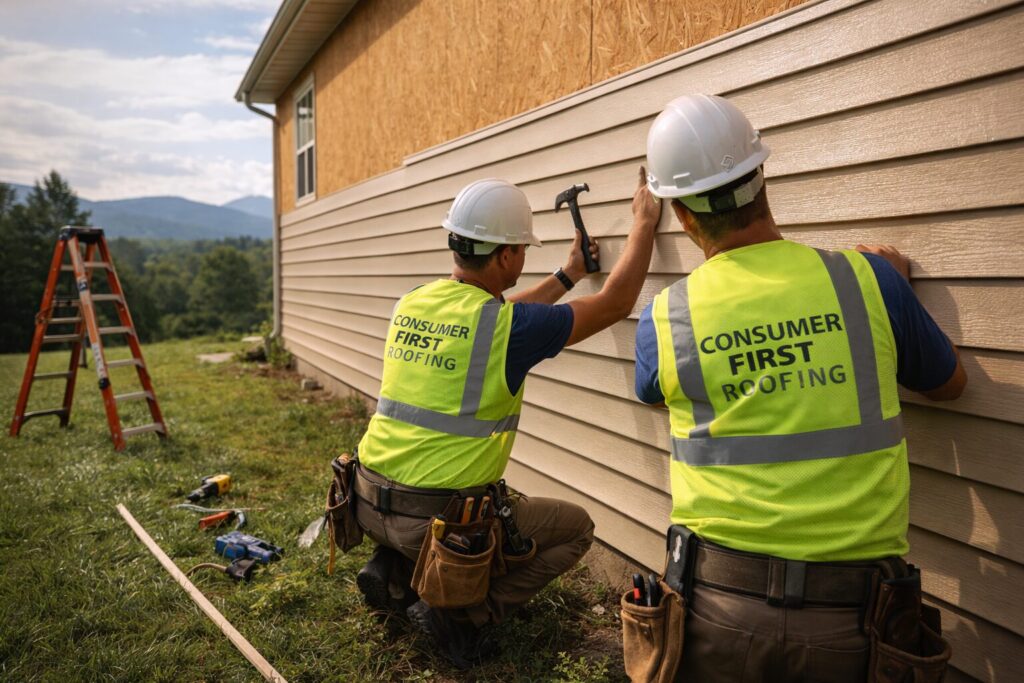
The installation process for vinyl siding involves several key steps to ensure a proper fit and finish. Initially, a thorough inspection of the existing exterior is conducted, followed by the removal of any damaged siding and preparation of the surface.
Once the surface is prepared, the new vinyl siding is installed, typically starting from the bottom and working upwards. Proper installation is crucial to prevent water infiltration and ensure a durable, long-lasting exterior that can withstand the elements in South Carolina.
Maintenance Tips for Vinyl Siding
While vinyl siding is known for its low maintenance, regular care can prolong its lifespan and keep it looking new. Homeowners should aim to clean their siding at least once a year to remove dirt, mold, and mildew.
A simple solution of water and mild detergent is often sufficient for cleaning. Additionally, inspecting the siding for any signs of damage or wear regularly can help address issues early, preventing more extensive repairs down the line.