Understanding Vinyl Siding Materials
Vinyl siding is a popular choice for homeowners due to its durability, low maintenance, and variety of styles. It is made from polyvinyl chloride (PVC) and is designed to withstand harsh weather conditions while providing an attractive finish to your home.
There are several types of vinyl siding, including traditional lap siding, vertical siding, and shake-style siding. Each type offers unique aesthetic benefits and can enhance the curb appeal of your home. Additionally, vinyl siding is available in a wide range of colors and textures, allowing homeowners to customize their exterior to match their personal style.
Benefits of Vinyl Siding Replacement
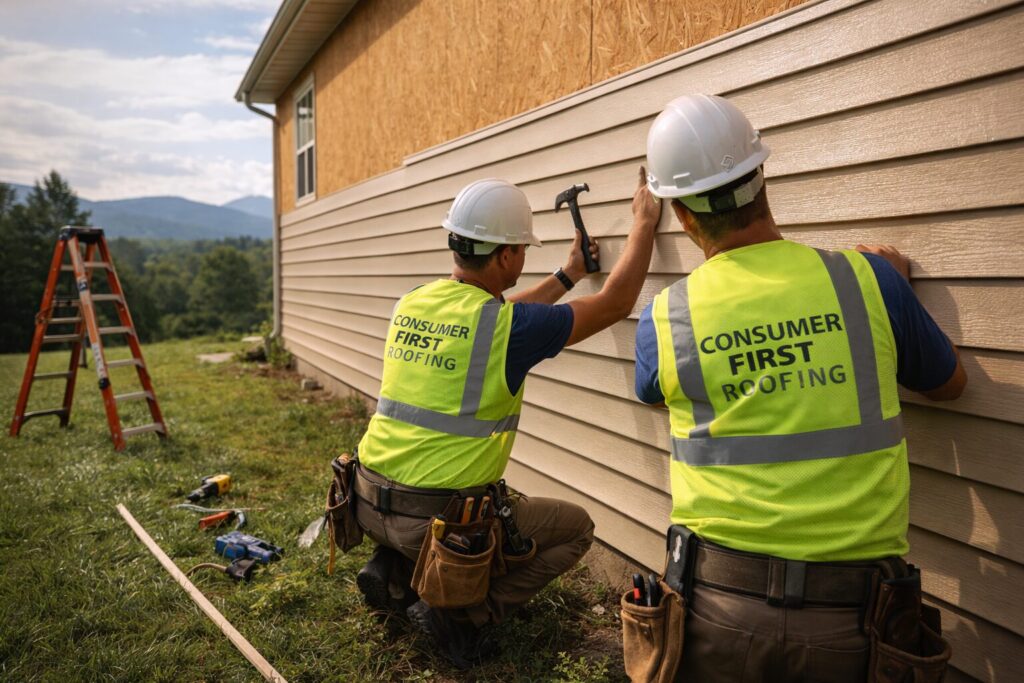
Replacing old siding with vinyl can significantly improve your home’s energy efficiency and aesthetic appeal. New vinyl siding can help insulate your home, reducing heating and cooling costs while also protecting against moisture and pests.
Furthermore, modern vinyl siding products often come with warranties that guarantee their longevity and performance. This replacement not only enhances the visual appeal of your home but also increases its market value, making it a wise investment for homeowners in Spartanburg.
Cost Considerations for Vinyl Siding Installation
The cost of vinyl siding installation can vary widely based on factors such as the size of your home, the type of siding selected, and labor costs in your area. On average, homeowners can expect to pay between to per square foot for materials and installation.
It's essential to obtain multiple quotes from contractors to ensure you receive a fair price. Additionally, consider the long-term savings on energy bills and maintenance costs when evaluating the overall investment in new siding.
Choosing the Right Contractor for Vinyl Siding
Selecting a reputable contractor is crucial for a successful vinyl siding installation. Look for contractors who specialize in siding and have positive reviews from previous customers in Spartanburg.
Ask potential contractors for references, check their credentials, and ensure they are licensed and insured. A reliable contractor will provide a detailed estimate and timeline for the project, ensuring transparency and peace of mind throughout the installation process.