Understanding Roof Damage After a Storm
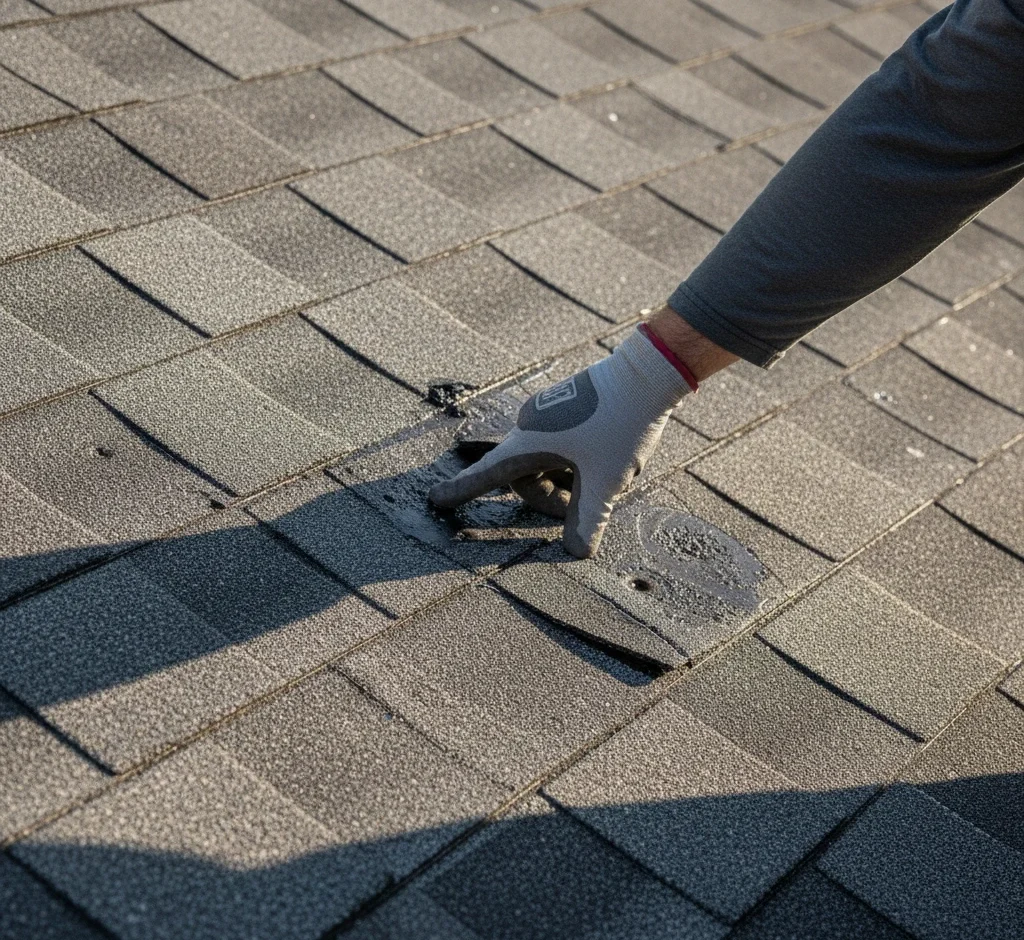
Storms can cause significant damage to roofs, leading to leaks and structural issues that require immediate attention. Understanding the types of damage that can occur, such as missing shingles, dents, or water intrusion, is crucial for homeowners in Spartanburg, SC.
For instance, high winds can lift shingles, while hail can create dents and cracks. Identifying these issues early can help prevent more extensive and costly repairs. Homeowners should conduct regular inspections after severe weather events to assess potential damage and take timely action.
Steps to File an Insurance Claim for Roof Repairs
Filing an insurance claim for roof repairs can be a daunting process, but knowing the steps can simplify it. Homeowners should start by documenting the damage with photographs and notes before contacting their insurance provider to initiate the claim process.
It's important to understand your policy's coverage specifics and any deductibles that may apply. Additionally, working with a reputable roofing contractor can help provide the necessary documentation and estimates to support your claim, ensuring a smoother process.
Choosing the Right Roofing Contractor
Selecting a qualified roofing contractor is vital for ensuring quality repairs and replacements. Homeowners should look for licensed and insured professionals with positive reviews and a solid reputation in Spartanburg, SC.
Ask for references and check their past work to gauge their expertise. It's also beneficial to obtain multiple quotes to compare prices and services, ensuring you choose a contractor that aligns with your needs and budget.
Maintaining Your Roof After Repairs
Once roof repairs are completed, ongoing maintenance is essential to prolong the lifespan of your roof and prevent future issues. Regular inspections, cleaning gutters, and addressing minor repairs promptly can make a significant difference.
Homeowners should schedule annual inspections, especially after severe weather, to catch potential problems early. Additionally, keeping trees trimmed away from the roof can reduce the risk of damage from falling branches, further protecting your investment.