If you are planning to add solar panels to your Columbia home, choosing the best roof for solar panels is just as important as picking the right panel brand. This guide covers which roof materials, ages, and pitches qualify, when to replace your roof first, and how roofing warranties interact with your solar contract.
Columbia gets around 218 sunny days a year, and energy bills are only going up. South Carolina homeowners who do their homework on solar-ready roofing before committing can save thousands and avoid costly reinstalls down the road.
Table of Contents
Why Finding the Best Roof for Solar Panels Matters in South Carolina
Solar installers can mount panels on most roof types, but not every roof is a smart foundation for a 25-year system. In South Carolina, summer heat, high humidity, and occasional hail all stress roofing materials over time. The best roof for solar panels is one with enough remaining lifespan to outlast the solar array sitting on top of it.
We have seen homeowners pay to remove and reinstall a full solar system because the shingles underneath failed at year four of a 20-year lease. That reinstall runs anywhere from $1,500 to $4,000 depending on system size, and it is entirely avoidable if you assess roof condition for solar install before signing anything.
Roof Material Comparison: Which Is the Best Roof for Solar Panels
Different materials perform very differently as a solar platform. Here is how the most common options stack up for South Carolina homes.
Roof Material | Solar Compatibility | Avg. Lifespan | Notes for SC Homeowners |
Metal Roofing | Excellent | 40-70 years | Best roof for solar panels in SC; clamp-mount means no penetrations |
Asphalt Shingles | Good (if newer) | 20-30 years | Replace if 15+ years old before solar install |
Concrete Tile | Good | 30-50 years | Check rafter capacity in older Columbia homes |
Flat / TPO | Excellent (ballasted) | 20-30 years | Common on commercial; flush mounting keeps SC heat low |
Wood Shake | Poor | 20-25 years | Fire risk increases under panels; not recommended |
Metal Roofing and Solar Panels: The Strongest Combination
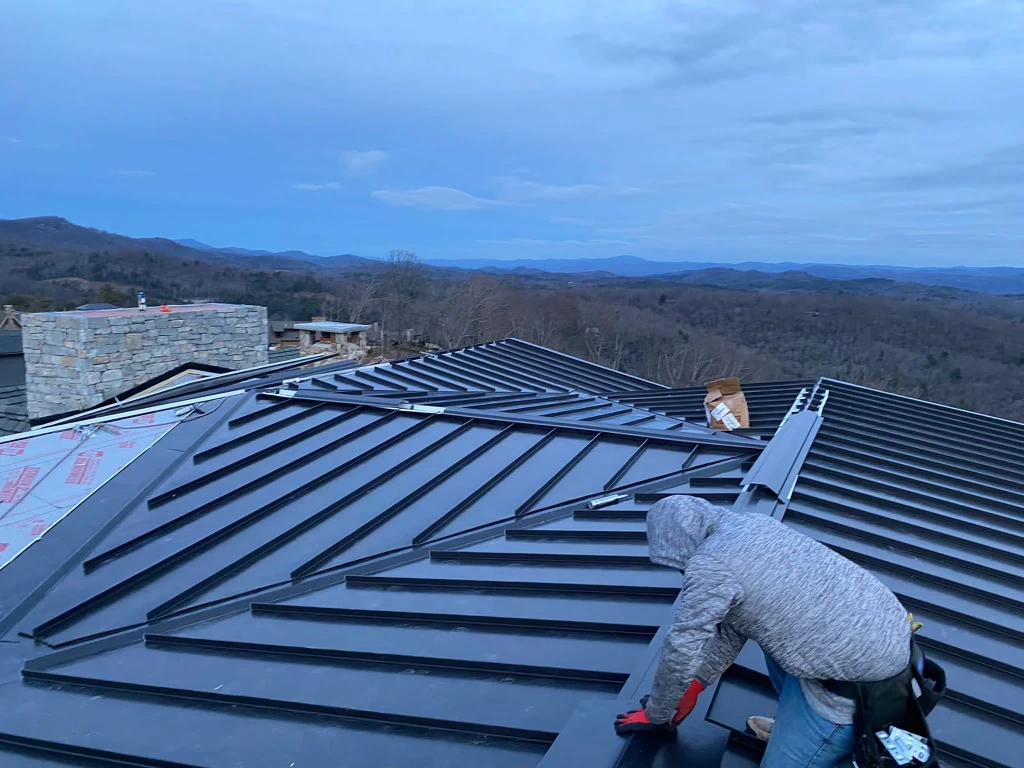
Metal roofing and solar panels are the top pairing for South Carolina homes. Standing seam metal uses clamp-based mounting that grips the seam without drilling through the roof surface, eliminating potential leak points entirely. A metal roof in Columbia can last 50 years or more, which means the best roof for solar panels in most upgrade scenarios is a standing seam metal install. If you are within a year or two of needing a new roof, going metal before solar is a decision that pays for itself over the life of the system. Learn more about metal roofing options here.
Asphalt Shingles: Compatible With Conditions
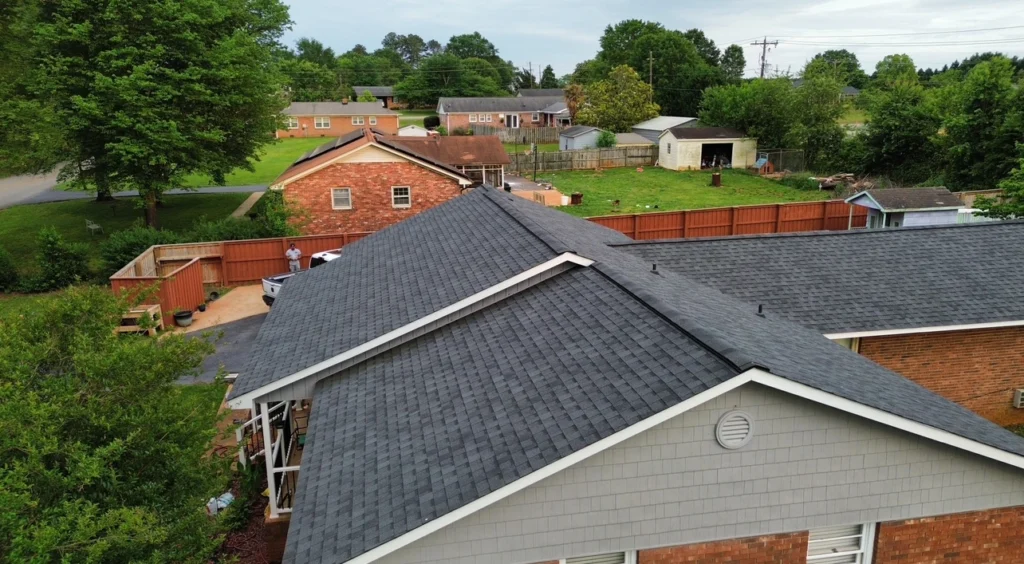
Asphalt shingles are the most common roofing material across Columbia and the wider Midlands region, and they can be the best roof for solar panels when they are in good shape. The issue is age. Shingles over 15 years old are flagged by most solar companies as a risk. At that stage, roof replacement before solar SC is the financially smarter path, since you are not paying to remove and reinstall panels mid-system.
When to Replace Your Roof Before Installing Solar
This comes up in almost every solar consultation. The honest answer depends on your specific roof condition, but roof replacement before solar SC makes sense in these situations:
- Your shingles are 15 years or older
- You have active leaks, soft spots, or missing shingles
- Flashing is corroded or gutters are separating from the fascia
- A solar company has already flagged your roof during their site visit
- The roof shows signs of sagging, decking rot, or structural issues
Before signing any solar contract, get an independent roof inspection in Spartanburg SC. A proper inspection tells you whether you have a solid base or whether the best roof for solar panels in your case means starting with a replacement first.
Roof Pitch and Orientation: Getting the Most From South Carolina Sun
The best roof for solar panels in terms of production output is a south-facing slope pitched between 15 and 40 degrees. Most Columbia residential roofs fall within that range naturally. Southeast and southwest-facing roofs still perform well given SC’s long sun hours across spring and summer.
Flat roofs work well too, particularly on commercial properties in the Midlands, where ballasted racking systems allow installers to set the ideal tilt angle without any roof penetrations. At the residential level, the biggest production killer is shading from mature trees between 9 a.m. and 3 p.m. A shading analysis during your solar site visit will confirm whether your layout qualifies.
Solar Warranties and Your Roofing Warranty: What to Watch For
Most solar panel manufacturers offer a 25-year performance warranty. The installation workmanship warranty from the solar company is typically 5 to 10 years. Your roofing material warranty, meanwhile, may include clauses about third-party penetrations that can affect coverage if a solar installer drills into your deck without following manufacturer specs.
This is why the best roof for solar panels is not just about material type but about coordination. Get your roofing contractor and solar installer communicating before work starts. If both jobs happen in the same window, your warranties stay clean and the install goes smoother.
The U.S. Department of Energy homeowner guide to solar is a useful, non-commercial resource for understanding your warranty rights before you commit to a system.
South Carolina Solar Incentives: What Columbia Homeowners Can Claim
South Carolina offers a 25% state income tax credit for solar installations on top of the 30% federal Investment Tax Credit. On a $20,000 system that is $11,000 back over two tax years, which significantly changes the payback period. The best roof for solar panels becomes an even stronger investment when you factor in those combined incentives.
The solar workforce in SC is growing fast. SEIA’s latest workforce training commitments show the Southeast is prioritizing certified installation capacity, which means Columbia homeowners have access to a wider pool of qualified contractors than ever before.
Frequently Asked Questions
What is the best roof for solar panels in South Carolina?
The best roof for solar panels in South Carolina is a standing seam metal roof. It allows clamp-based mounting with no penetrations and lasts 50 or more years. Asphalt shingles under 15 years old are also a solid option. Wood shake and very old shingles are the weakest candidates for solar in our climate.
Should I replace my roof before installing solar panels?
If your shingles are 15 years or older, roof replacement before solar SC is almost always the right call. Paying to remove and reinstall a solar system because the roof failed mid-lease costs more than a planned replacement would have. Get a roof inspection first so you know exactly what you are working with.
Does roof pitch affect how well solar panels perform?
Yes. The best roof for solar panels in terms of output is a south-facing slope between 15 and 40 degrees. Most Columbia homes fall in that range. Southeast and southwest-facing roofs still produce well. Flat roofs with adjustable racking are an effective option for commercial properties across the Midlands.
Can solar panel installation void my roofing warranty?
It can if the installer does not follow the roofing manufacturer's specs for penetrations. The best roof for solar panels from a warranty protection standpoint is standing seam metal, where clamp mounting avoids penetrations entirely. For shingle roofs, make sure your roofing contractor approves the mounting method before installation begins.
How do I know if my roof is ready for solar in Columbia SC?
Schedule a professional roof inspection before signing any solar contract. An independent roofing contractor will assess age, condition, flashing, decking, and structural integrity. That report tells you whether you have the best roof for solar panels already in place, or whether repairs or replacement are needed first.
Ready to Find Out If Your Roof Is Solar-Ready?
Before calling any solar company, have your roof assessed by an independent roofing contractor. That step costs very little and protects a 20 to 25-year financial commitment. If a replacement is needed, you can plan the timeline and coordinate both installs together. Start with a roof replacement consultation and we will give you a straight answer on where you stand.
The best roof for solar panels is not just about material. It is about age, condition, pitch, and how well the roofing and solar systems are planned together. Get the roof right first, and the solar investment takes care of itself.