Understanding Roof Insurance Policies
Before filing a roof insurance claim, it's crucial to understand the specifics of your insurance policy. Different policies may have varying coverage for storm damage, deductibles, and exclusions. Familiarizing yourself with these terms can help you prepare for the claims process and set realistic expectations.
For instance, some homeowners may have a policy that covers replacement costs, while others might only have actual cash value coverage, which factors in depreciation. Knowing these details can significantly impact the amount you receive for repairs or replacements after storm damage.
Documentation Needed for Roof Insurance Claims
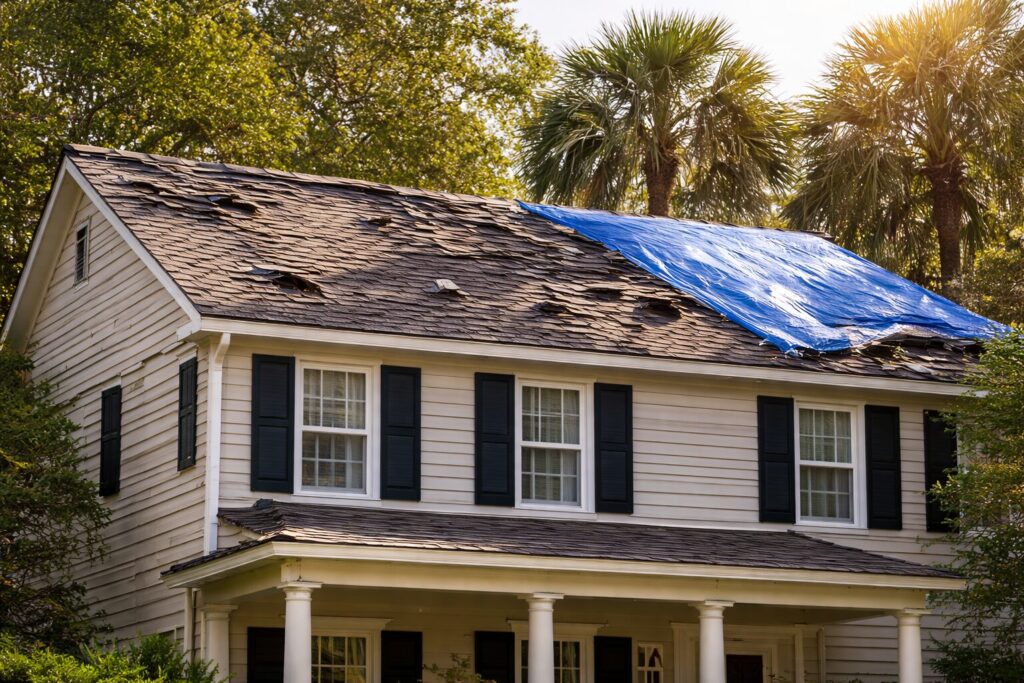
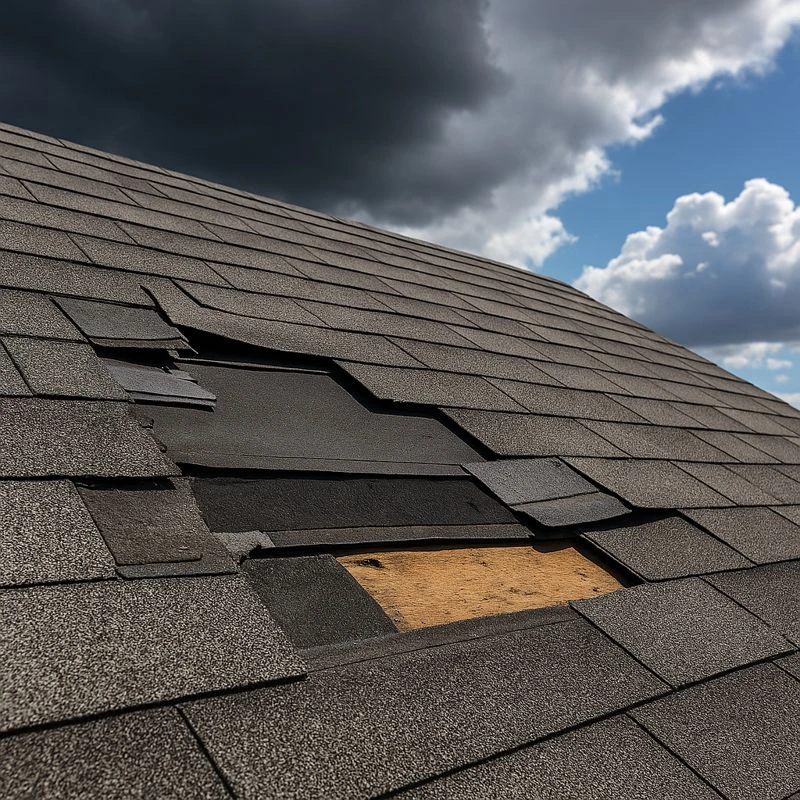
Gathering the right documentation is essential when filing a roof insurance claim. This typically includes photographs of the damage, a copy of your insurance policy, and any previous inspection reports. Having this information readily available can streamline the claims process and help substantiate your claim.
Additionally, it's advisable to document any communication with your insurance provider and keep records of all repairs made after the storm. This thorough documentation can serve as evidence of the damage and the steps taken to mitigate further issues, reinforcing the validity of your claim.
Common Mistakes to Avoid When Filing Claims
Filing a roof insurance claim can be complex, and many homeowners make common mistakes that can delay the process or lead to claim denials. One of the most frequent errors is failing to report the damage promptly. Most insurance policies require that claims be filed within a specific timeframe after the damage occurs.
Another mistake is not providing sufficient evidence of the damage. Homeowners should ensure they document everything clearly and thoroughly. By avoiding these pitfalls, you can improve your chances of a successful claim and expedite the repair process.
Tips for Working with Insurance Adjusters
When dealing with insurance claims, communication with insurance adjusters is key. These professionals assess the damage and determine the payout amount, so it's vital to present your case effectively. Be prepared to discuss the extent of the damage and provide any necessary documentation to support your claim.
Additionally, maintaining a professional and cooperative demeanor can facilitate a smoother process. If you disagree with the adjuster's assessment, don’t hesitate to ask for a re-evaluation or to provide further evidence. Building a good rapport can often lead to better outcomes in your claim process.