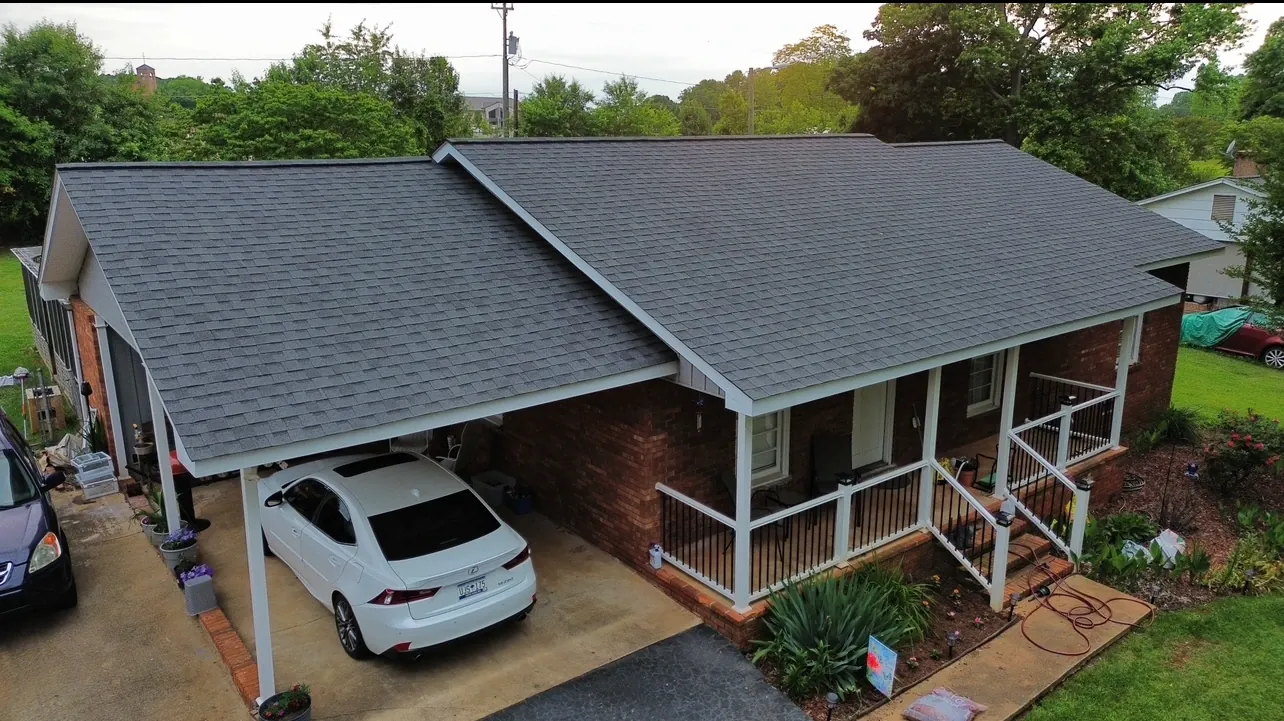
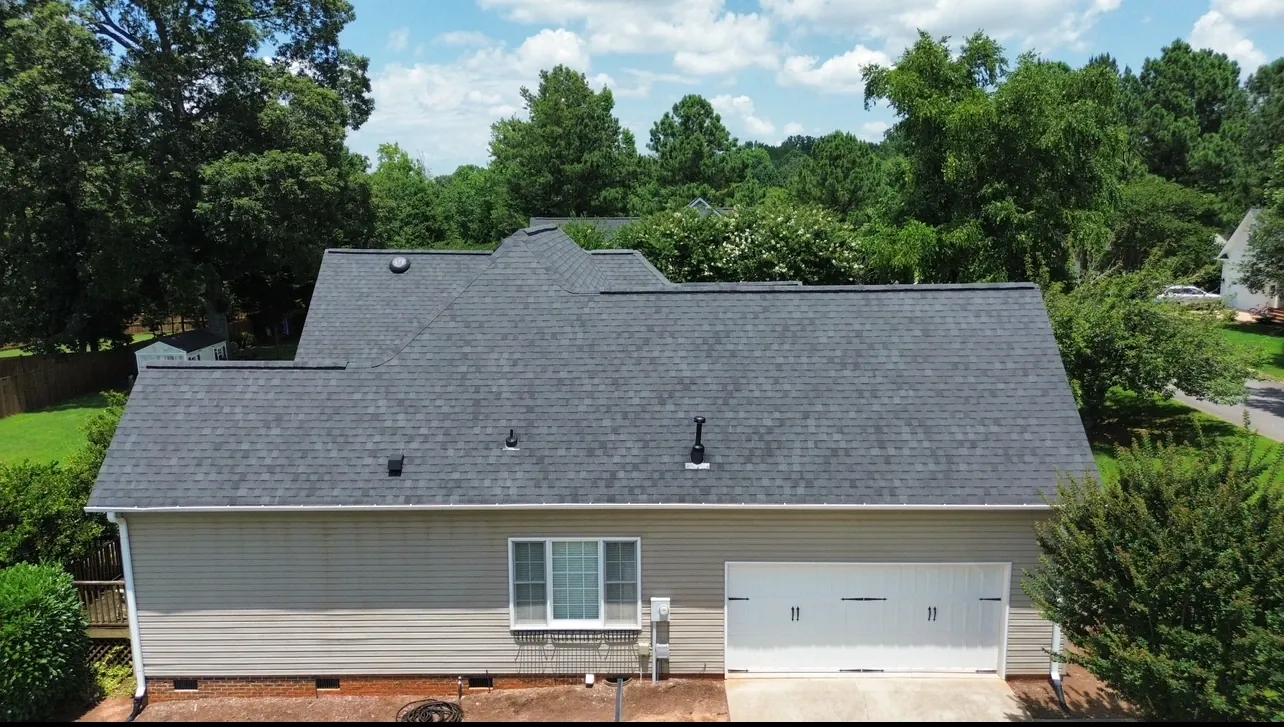
Winters in Spartanburg are usually a lot gentler than what our neighbors up north deal with. We hardly ever get buried in snow, and truth be told, most folks don't give the roof a second thought until a brown ring shows up on the ceiling some random morning. With a strong El Niño forming, this year's a good one to think about it a bit sooner than that. Here's what the forecast actually says, what a wetter winter tends to do to roofs around here, and what you can eyeball right now before a twenty-dollar fix turns into a drywall job come January.
What NOAA actually said
Back on September 10, NOAA's Climate Prediction Center put out an El Niño Advisory and pegged the odds of a very strong event above 90 percent for this fall and winter. Around the Southeast that usually turns into more rain and a busier storm track. The forecast's more confident than usual this year: CPC also gave it a 75 percent shot at reaching historic strength between October and December. Quick caveat before anybody starts stockpiling tarps. El Niño moves the odds, it doesn't decide our winter for us. NOAA's own scientists are pretty upfront that a couple of past strong events actually came in drier than anyone expected across the southern states, and a few spots even ran dry. So read it as a lean, not a promise. You're not bracing for a catastrophe here. You're just making sure the roof can shrug off a wetter-than-average season without any drama.
Why a wet winter is really a roof problem
El Niño is a warming of the tropical Pacific, and once it settles in it shoves the jet stream south and east across the country. The subtropical jet ends up hauling more moisture over the southern tier, and the Southeast tends to sit right under it. Cut the climate-speak, though, and it's simple. A wetter pattern means more of those slow, soaking rains instead of one quick afternoon shower, which just gives water more chances to test every seam you've got. It usually comes with some wind behind it too, and wind-driven rain gets pushed sideways into flashing, valleys, and ridge caps, the spots a calm drizzle never even reaches. The long wet stretches are the sneaky part. A roof deck that stays damp for days is how a pinhole leak quietly turns into soft, rotten wood by spring. A solid roof takes all of that in stride. The one that gets caught out is the roof that was already a hard season away from trouble anyway. That's the whole reason a roof inspection before the wet weather sets in is about the cheapest insurance a homeowner can buy.
The drought-to-deluge wrinkle
There's one twist worth flagging right now. A lot of the Carolinas has been running dry, and forecasters figure the returning rain will ease or flat-out end that drought through the fall. And the swing itself matters more than people think. Ground that's been parched for months doesn't drink in a heavy rain quickly, so the runoff moves faster and hits your gutters and downspouts harder than they're used to. Trees that got stressed in the dry spell tend to start dropping limbs once the soil rehydrates, too. So if your gutters are still packed with last year's leaves when that first real rain shows up, the overflow ends up running down behind your fascia instead of out the downspout where it's supposed to go.
A quick pre-winter roof check
You can do a fair bit of this from the ground with a decent set of eyes. Anything that means a ladder or actually walking the roof, though, leave that to a pro. Start with the shingles and look for anything lifted, curled, cracked, or flat-out gone, because wind-driven rain sniffs those spots out first. Next, check the flashing around the chimney, any skylights, and the vents, since a little rust or a loose edge there is a classic winter leak. Clean out the gutters and downspouts while you're at it, and honestly that one job matters more than the rest of the list put together. Head inside and look over the ceilings, and if you can get up there, the attic wood, for stains, sagging, or a musty smell that means water's already sneaking in. Trim back any limbs hanging over the roofline, especially on those drought-stressed trees. And glance at the pipe boots, the rubber collars around the plumbing vents up top, because a cracked one is one of the most common leaks we fix and one of the cheapest to catch early.
When it's time to call a roofer
Some stuff is just worth a professional look before winter instead of after. An active drip or a fresh water stain is one, and the sooner you get roof leak repair on it, the smaller the fix stays. Wind damage is another, whether that's lifted shingles or something that came down on the roof, and we handle storm damage repair all over the Upstate. And if the roof's simply old and tired, getting roof repair squared away now beats an emergency call in the middle of a January downpour every single time. If something does let go mid-storm, we run emergency roof repair so you're not sitting under a leak waiting on Monday. And when it turns out the damage is storm-related, we'll walk you through the insurance claim so you're not fighting that paperwork by yourself. We cover the Upstate from Spartanburg out to Boiling Springs and the towns in between. Call us at (864) 398-1805 to line up your pre-winter roof inspection.
Sources
This post is built on the primary forecast record, not weather chatter. NOAA Climate Prediction Center ENSO Diagnostic Discussion, dated September 10, 2026 (cpc.ncep.noaa.gov). NOAA Climate.gov explainer on how El Niño influences United States winter precipitation (climate.gov). NWS Wilmington Fall 2026 Climate Outlook, cited as coastal-Carolinas regional context only (weather.gov/ilm). The Upstate has no El Niño-specific NWS write-up, so no Spartanburg-specific forecast is claimed here.