Types of Exterior Siding Materials
When considering exterior siding for your home, it's essential to understand the various materials available. Common options include vinyl, wood, fiber cement, and metal siding, each offering unique benefits and aesthetics suited to different architectural styles.
For instance, vinyl siding is popular for its durability and low maintenance, while wood siding provides a classic, natural look that can enhance curb appeal. Fiber cement siding is known for its resistance to pests and weather, making it a smart choice for homeowners in areas prone to harsh conditions.
Benefits of Vinyl Siding
Vinyl siding is an increasingly popular choice among homeowners due to its numerous advantages. It is lightweight, cost-effective, and available in a wide range of colors and styles, allowing for versatile design options that can fit any home aesthetic.
Additionally, vinyl siding is resistant to fading, peeling, and cracking, which means it requires less maintenance compared to other materials. Homeowners can enjoy the peace of mind that comes with a long-lasting exterior that maintains its appearance over time.
Installation Process for Siding Replacement
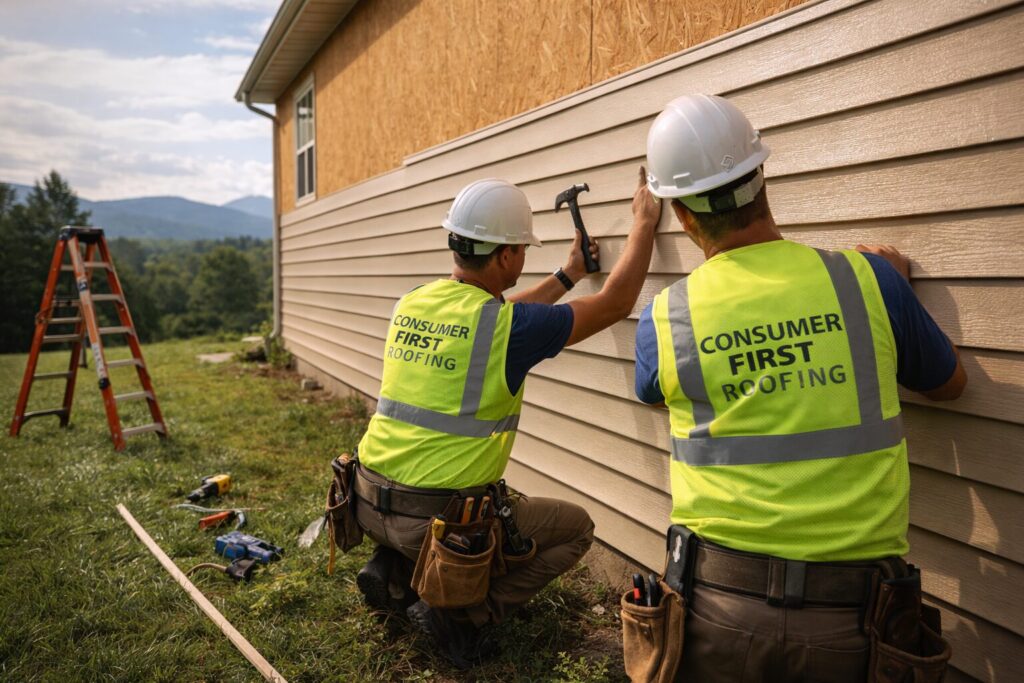
The installation process for siding replacement is crucial to ensuring a durable and effective exterior. It typically begins with a thorough inspection of the existing siding and the underlying structure to identify any necessary repairs before new siding is applied.
Once the preparation is complete, the installation involves measuring and cutting the new siding to fit the home’s dimensions, followed by securing it properly to prevent moisture intrusion and enhance energy efficiency. Understanding this process can help homeowners set realistic expectations for timelines and costs.
Maintenance Tips for Exterior Siding
Maintaining your exterior siding is essential for prolonging its lifespan and ensuring it looks its best. Regular cleaning, typically with a simple solution of soap and water, can help remove dirt and prevent mold or mildew buildup.
In addition, inspecting the siding for any signs of damage or wear, especially after severe weather, allows homeowners to address issues promptly. This proactive approach can save money on more extensive repairs and keep the home’s exterior in optimal condition.