Understanding Storm Damage: Common Issues Homeowners Face
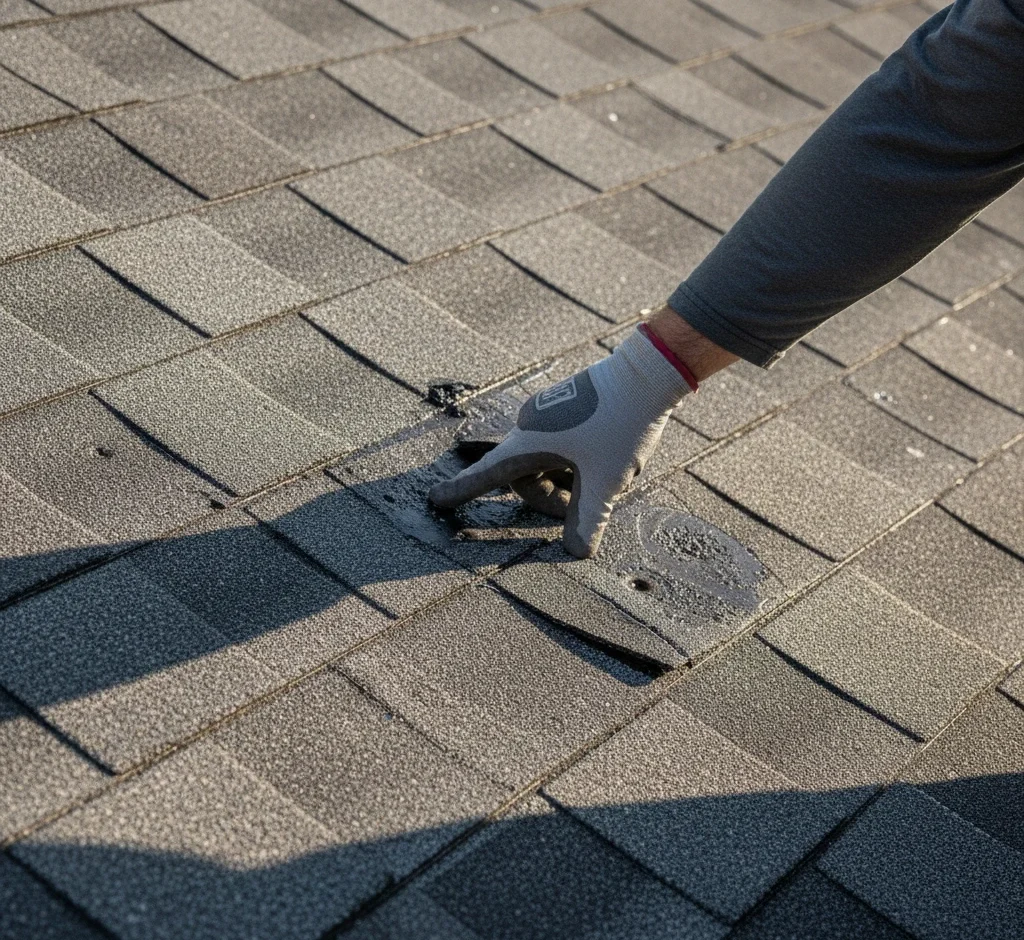
Storm damage can manifest in various ways, affecting the integrity of your roof and home. Common issues include missing shingles, leaks, and structural damage, which can lead to further complications if not addressed promptly.
For instance, high winds can dislodge shingles, while heavy rain can cause water infiltration, leading to mold growth and interior damage. Homeowners in Spartanburg should be vigilant in assessing their roofs after a storm to identify these potential problems early.
The Insurance Claim Process: Step-by-Step Guide
Navigating the insurance claim process can be daunting, especially after experiencing storm damage. Understanding the steps involved can help homeowners manage their claims more effectively and ensure they receive the compensation they deserve.
Typically, the process begins with documenting the damage, contacting your insurance provider, and submitting a claim. It's crucial to provide detailed evidence, such as photographs and repair estimates, to support your case and expedite the approval process.
Choosing the Right Roofing Contractor for Repairs
Selecting a qualified roofing contractor is essential for ensuring that repairs are handled professionally and efficiently. Homeowners should look for contractors with experience in storm damage repairs and a solid reputation in the Spartanburg area.
Researching online reviews, asking for references, and verifying licenses and insurance can help homeowners make informed decisions. A reliable contractor will also assist in navigating the insurance claims process, providing necessary documentation and estimates.
Preventative Measures: Protecting Your Roof from Future Storm Damage
Taking proactive steps to protect your roof can minimize the risk of storm damage in the future. Regular maintenance, such as inspections and timely repairs, plays a crucial role in prolonging the lifespan of your roofing system.
Additionally, homeowners should consider upgrading to more durable roofing materials designed to withstand severe weather conditions. Investing in preventative measures not only safeguards your home but can also lead to lower insurance premiums over time.