Your roof takes a beating from Upstate South Carolina weather. From summer heat that bakes shingles to sudden hailstorms rolling through Spartanburg County, regular checks keep small problems from turning into expensive repairs. This roof inspection Spartanburg guide gives you a practical checklist you can follow from the ground and in your attic, plus clear signs it’s time to call a local roofing company in Spartanburg for backup.
Most homeowners in Spartanburg and Greenville never climb on their roof until something goes wrong. That’s actually smart thinking. You can spot plenty of warning signs from a ladder or your attic, and catching them early saves money. A proper roof inspection Spartanburg homeowners can trust doesn’t require fancy equipment, just a careful eye and about an hour of your time.
Table of Contents
Why Annual Roof Inspections Matter in Spartanburg
Spartanburg County sits right in the path of severe weather. Heavy rain pounds roofs in spring, summer sun cooks asphalt shingles all season long, and winter freezes can crack flashing around chimneys and vents. Add in the occasional hailstorm, and your roof faces constant stress year-round.
I’ve seen homeowners skip their annual roof inspection only to discover leaks after the next big storm. By then, water has already damaged insulation and drywall. Insurance companies often want proof of regular maintenance before they pay claims, especially for hail damage. Every roof inspection Spartanburg contractors perform should include photos and documentation that proves you’ve stayed on top of maintenance requirements.
The humidity in Upstate South Carolina also creates conditions for algae and moss growth on north-facing roof sections. While algae mostly looks bad, moss holds moisture against shingles and shortens their life. Catching these issues during your roof inspection Spartanburg properties need prevents bigger headaches down the road.
Safety First: Before You Start Your Roof Inspection
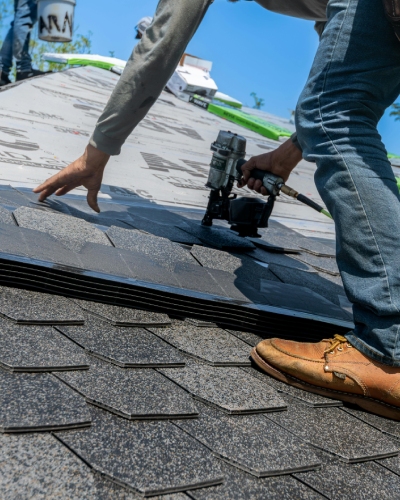
Never walk on your roof unless you’re trained and equipped for it. Steep pitches get slippery fast, especially after morning dew or rain. Most roof inspection Spartanburg homeowners perform happens from the ground with binoculars or from a stable ladder positioned on level ground.
Basic Safety Checklist:
- Wear shoes with good grip
- Have someone hold the ladder
- Stay away from power lines
- Don't lean too far to either side
- Work on dry, calm days only
- Stop if anything feels unsafe
Some roofs need professional eyes. If your home is more than two stories, has a steep pitch above 6:12, or you spot major damage, skip the DIY approach. Schedule a professional roof inspection Spartanburg property owners can rely on with a licensed contractor who has proper safety equipment.
Exterior Roof Inspection: What to Check From the Ground
Shingles and Roof Surface
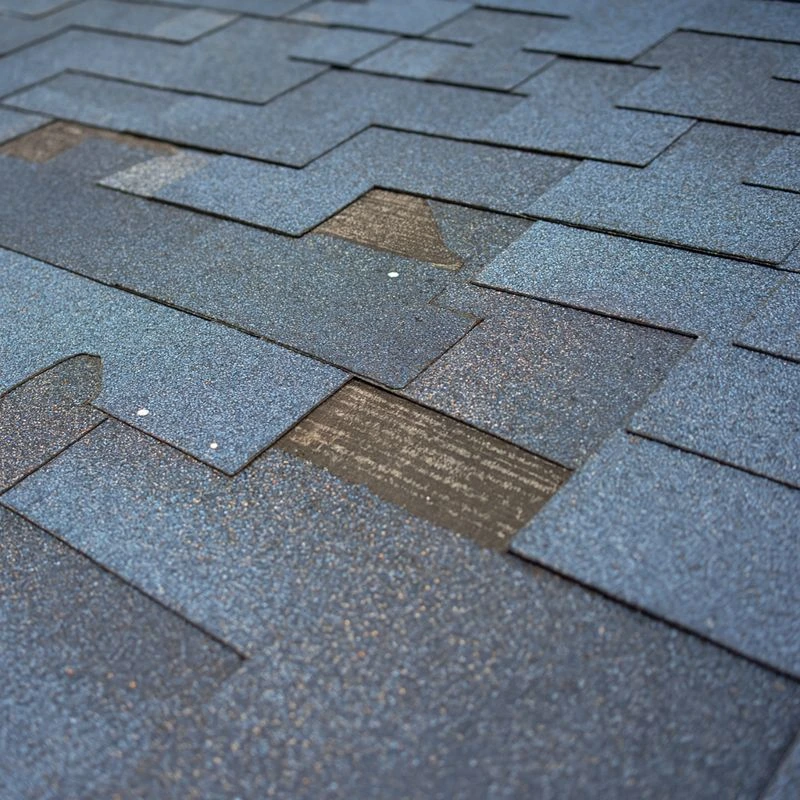
Grab binoculars and walk around your house. During any roof inspection Spartanburg experts recommend, you should look for shingles that are missing, cracked, curled at the edges, or darker than surrounding areas. Check your gutters for granules, which look like coarse sand. Losing granules means your shingles are aging and getting thin.
Dark streaks running down your roof signal algae growth. Shiny patches might indicate where shingles have lost all their protective granules. Bubbling or blistering shows trapped moisture underneath. Any of these issues deserve attention before they turn into the common roof problems in Spartanburg that lead to leaks.
Flashing, Chimneys, and Roof Penetrations
Metal flashing around chimneys, vent pipes, and skylights keeps water from sneaking into gaps. Look for rust spots, lifted sections, or gaps where the flashing meets the roof or chimney. Cracked caulking around pipes is another common weak point that shows up during every thorough roof inspection Spartanburg contractors perform.
Chimney mortar can crack over time, especially during freeze-thaw cycles. Missing or loose chimney caps let rain straight into your home. These penetration points cause more leaks than any other roof feature, so give them extra attention during your inspection.
Gutters, Downspouts, and Drainage
Gutters full of leaves and debris back water up under your shingles. Check that gutters are firmly attached, have no sag, and drain properly. Downspouts should carry water at least six feet away from your foundation. Making gutter checks part of your roof inspection Spartanburg routine prevents water damage to both your roof and foundation.
Standing water in gutters after rain means poor slope or clogs. Look for rust, holes, or separated seams. In Spartanburg County, clogged gutters during heavy spring rains can dump gallons of water right against your foundation, creating basement problems on top of roof issues.
Attic Inspection Checklist: What to Look for Above Your Ceiling
Signs of Leaks and Moisture
Head up to your attic on a sunny day. An attic inspection roofing professionals recommend should include looking for light coming through the roof deck, which means holes or gaps. Check for dark stains on wood, wet or compressed insulation, and rusted nail tips poking through the roof deck.
Smell matters too. A musty odor indicates moisture problems even if you don’t see obvious water. Mold or mildew growth on rafters means ongoing leaks. Touch insulation in several spots to make sure it’s dry. Wet insulation loses its effectiveness and needs replacement.
Document everything with photos. If you need to file an insurance claim later, this documentation from your roof inspection Spartanburg professionals recommend proves when problems started.
Ventilation and Insulation
Proper attic ventilation keeps your Spartanburg home cooler in summer and prevents condensation in winter. Check that soffit vents aren’t blocked by insulation and that ridge vents or gable vents are clear. Every roof inspection Spartanburg homeowners complete should include checking these ventilation points.
Insulation should be evenly distributed, typically at least R-30 in South Carolina attics. Look for spots where insulation has been disturbed or is missing completely. According to Spartanburg County residential inspection requirements, proper attic insulation and ventilation are essential for both energy efficiency and preventing moisture damage.
When to Consider a Drone Roof Inspection
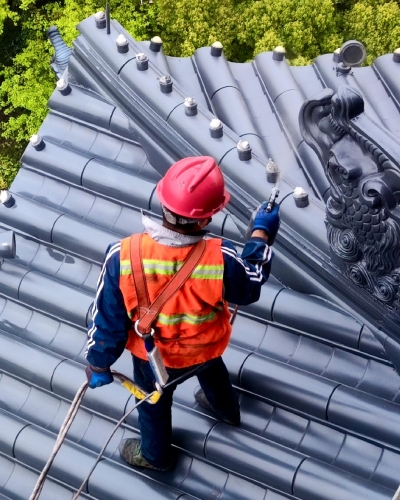
Technology has changed how contractors inspect roofs. A drone roof inspection uses a camera-equipped aircraft to photograph your entire roof safely from above. This works especially well for steep roofs, tall homes, or properties where ladder access is difficult.
Drones capture high-resolution images that show problem areas in detail without anyone climbing up. For property managers overseeing multiple buildings in Spartanburg County, drones make annual checks faster and safer than traditional methods.
According to national consumer data on drone roof inspection cost, most inspections range from $100 to $750 depending on roof size and complexity. Local prices in South Carolina typically fall in that range, though steep or large roofs cost more. The investment pays off when it reveals hidden damage before it spreads.
How Much Does a Roof Inspection Cost in South Carolina?
Traditional roof inspection cost SC runs from $75 to $200 for most residential properties. Factors that affect price include roof size, pitch, height, and whether you need just a visual check or a detailed report with photos.
Some roofing contractors offer free inspections when you’re getting repair estimates. Others charge a flat fee that often applies toward any work you choose to have done. Advanced inspections using infrared cameras or drones cost more but provide detailed information about hidden problems.
South Carolina Roof Inspection Pricing Overview:
| Inspection Type | Typical Cost Range | Best For |
|---|---|---|
| Basic visual inspection | $75-$150 | Annual maintenance checks |
| Detailed inspection with report | $150-$300 | Pre-purchase or insurance claims |
| Drone inspection | $100-$750 | Steep roofs or multiple properties |
| Infrared moisture scan | $200-$500 | Suspected hidden leaks |
Always get pricing in writing before work begins. Ask whether the inspection fee applies to repairs if you hire the same company for the work.
When to Call a Professional Roof Inspector in Spartanburg & Greenville
Stop the DIY approach and call a licensed contractor immediately if you notice active leaks, sagging roof sections, large areas of missing shingles, or major storm damage. Safety concerns like unstable ladders or steep pitches also mean scheduling a professional roof inspection Spartanburg residents can count on makes more sense than risking injury.
Other situations that need expert eyes include buying or selling a home, filing insurance claims, planning a re-roof, or if your roof is over 15 years old. These scenarios require detailed reports that only licensed inspectors can provide.
If you’re searching for a roof inspector near me Greenville or need a Spartanburg County roof check, working with local contractors means they understand regional weather patterns and building codes that affect your specific property.
How Consumer First Roofing Helps Spartanburg Homeowners
Consumer First Roofing provides thorough inspections throughout Spartanburg and Greenville, South Carolina. Their team knows Upstate weather challenges and catches problems other companies miss. When you schedule a roof inspection Spartanburg experts at Consumer First perform, they document everything with detailed photos and reports you can use for insurance claims or maintenance planning.
Beyond inspections, they handle repairs, storm damage restoration, and full replacements using quality materials rated for South Carolina conditions. Their inspectors take time to explain what they find in plain language, not contractor jargon, so you can make informed decisions about your roof’s future.
Conclusion
Your roof protects everything inside your Spartanburg home. Completing a roof inspection Spartanburg properties need keeps it doing that job without surprise failures. Follow this checklist once a year, after major storms, or anytime something looks off. Most problems show clear warning signs long before they cause serious damage.
Stay safe by working from the ground or a stable ladder. When you spot issues beyond your comfort level, calling a local roofing professional means getting expert repairs before minor problems become major expenses. Whether you handle the inspection yourself or hire a pro, regular checks are the best insurance policy your roof can have.
Frequently Asked Questions
How often should I schedule a roof inspection in Spartanburg?
Schedule a roof inspection Spartanburg homeowners can rely on at least once per year, ideally in spring or fall. Also inspect after severe storms, especially those with hail or high winds. Properties with older roofs or previous leak history benefit from twice-yearly checks to catch problems early.
Can I do my own roof inspection without climbing on the roof?
Yes. Most homeowners can complete an effective roof inspection Spartanburg properties need using binoculars from the ground, a stable ladder for close-up checks of edges, and an attic inspection from inside. This approach is actually safer than walking on your roof, especially for steep pitches or wet conditions.
What does a professional roof inspection cost in South Carolina?
Professional roof inspection cost SC typically ranges from $75 to $200 for standard visual inspections on residential properties. Detailed inspections with written reports and photos run $150 to $300. Specialized services like drone roof inspection or infrared scanning cost more but reveal hidden problems a visual check might miss.
What are the most common roof problems found during inspections in Spartanburg?
Inspectors in Spartanburg County most often find missing or damaged shingles from storms, failed flashing around chimneys and vents, clogged gutters causing water backup, attic moisture from poor ventilation, and algae growth on north-facing sections. Summer heat also causes shingle deterioration and premature aging throughout Upstate South Carolina.
When should I use a drone for my roof inspection?
Consider a drone roof inspection for steep roofs above 7:12 pitch, multi-story homes, properties with difficult access, or when you need detailed documentation for insurance claims. Drones safely capture high-resolution images of your entire roof surface without the risk of someone climbing up. Property managers often use drone inspections to check multiple buildings efficiently.